


We are a group of micro farmers who welcome anyone who keeps animals or grows vegetables and fruit, or loves cooking! Who would like to come along to our meetings or events and share their experiences with others. You don't need to have lots of animals to be a "smallholder." Many people who grow vegetables, have some bees or maybe a couple of backyard chickens come along and enjoy the meetings and events as well.
Monday, 28 August 2017
Monday, 14 August 2017
Purleigh Country Show
Come and visit East Essex Smallholders Group members at The Purleigh Country Show on Saturday 19th August. Furzedown Smallholding will be coming along with their Rare Breed Sheep and their range of Locally produced Preserves. Terry Adger will be bringing his amazing turned woodwork. Katie Anderson from Muddy Boots Farm will be bringing along her Goats for everyone to have a tickle! Not to Mention Vince will be bringing along his vintage machinery. This event raises money for Little Havens Childrens Hospice. Such a good cause to support.

Treasure Hunt
Sunday 20th August 2017 - Sadly Cancelled Due to lack of sales, Lots of events going on in Maldon on this day. So we will reschedule for April.
EESG Treasure Hunt

Sunday, 2 July 2017

Thursday, 18 May 2017
Tuesday 23rd of May 2017
We have been a little slow with a 2017 calender of events, but we will be announcing our exciting schedule at the next meeting on Tuesday 23rd of May 2017 at The Roundbush Public House, Roundbush Road, Purleigh, Essex CM9 6NN. 7.30pm
Please come and show your support.
Thursday, 4 May 2017

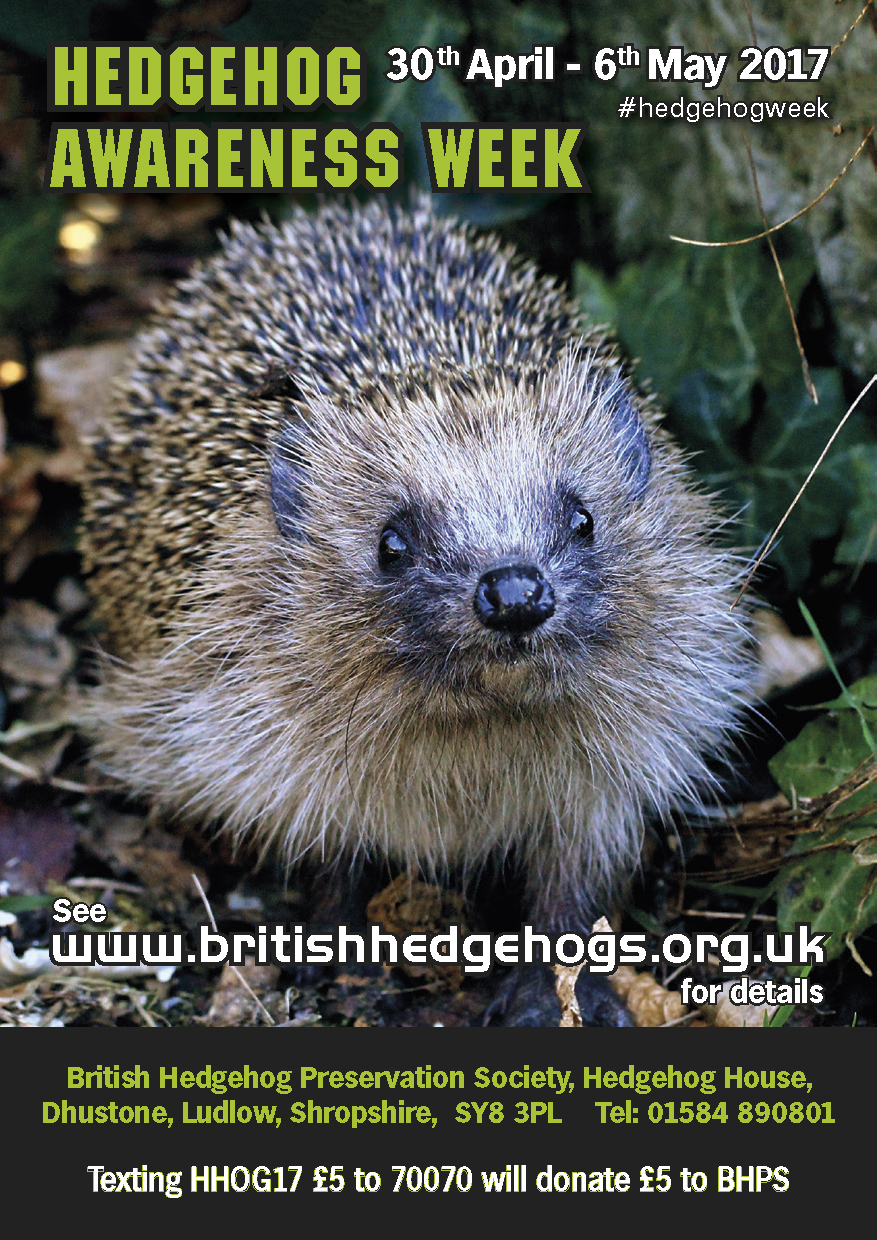
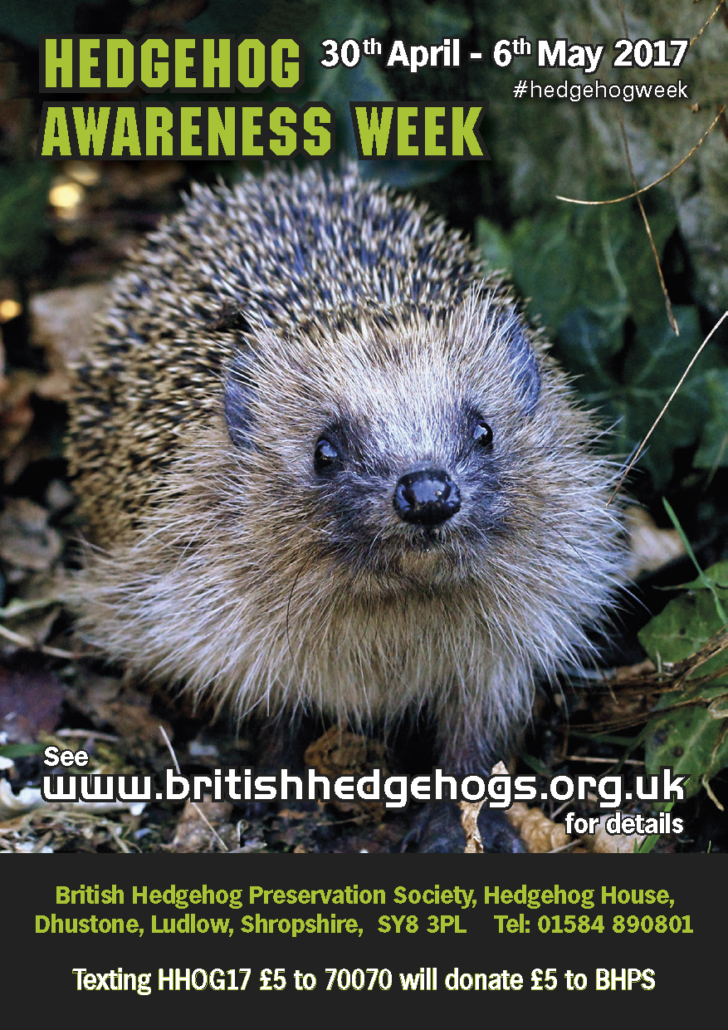
Hedgehog Awareness Week 2017
Hedgehog Awareness Week runs from 30th April to 6th May 2017 and hedgehoggy events are being organised all around the country already!
Hedgehog Awareness Week is organised by the British Hedgehog Preservation Society and takes place every year. It aims to highlight the problems hedgehogs face and how you can help them.
This year efforts are focussed on our strimmer campaign. We have produced water proof stickers that we are sending to councils, tool hire companies, grounds maintenance teams, etc free of charge on request (email info@britishhedgehogs.org.uk). The stickers remind operatives to check areas for hedgehogs before using any machinery. Once the group have received the stickers and sent us a pic of them in action, we can add them to our Hedgehog Heroes Roll of Honour! See http://www.britishhedgehogs.org.uk/hedgehog-heroes-roll-honour/

As well as checking areas before cutting there are other things we can do to help too:
- Ensure there is hedgehog access in your garden – a 13cm x 13cm gap in boundary fences and walls.
- Move piles of rubbish to a new site before burning it.
- Ensure netting is kept at a safe height.
- Check compost heaps before digging the fork in.
- Stop or reduce the amount of pesticides and poisons used.
- Cover drains or deep holes.
- Ensure there is an easy route out of ponds and pools.
BHPS Chief Executive, Fay Vass, said “We are asking people to pledge to do at least one positive thing for hedgehogs during the week and if possible let us know, send us pictures of the hedgehog hole or home you create, or from the event you organise!”
Here are a few more ideas of how you can get involved:
- Contact your local council or tool hire shop and ask if they will use the free stickers from BHPS on their machines – ask them to email us direct oninfo@britishhedgehogs.org.uk
- Organise an event such as a cake sale, fun day, sponsored event, coffee morning or jumble sale.
- ]Display information (BHPS can provide) in your work place or local Garden Centre, School, Library, shop, etc.
- Contact your local newspaper or radio station a few weeks before Hedgehog Awareness Week and ask them to help hedgehogs by printing a letter from BHPS (we can provide a letter to the editor on request) or by arranging an interview with us during the week (ask them to call 01584 890 801 to book a slot).
- Post leaflets in your area letting people know how they can help hedgehogs (BHPS can provide leaflets).
- Take a selfie with our #hedgehogweek sign (click here for printable copy) and send it out via social media during the week. Remember to tag us on Twitter @hedgehogsociety and use #hedgehogweek
If you are organising an event, PLEASE let BHPS know as soon as possible so that we can keep a comprehensive list of events across the country. We often get calls from the media and public asking for local events and if we don’t know about your event we can’t point them in your direction.
We are hoping to raise £2,000 during Hedgehog Awareness Week 2017, texting HHOG17 £5 to 70070 will donate £5 to this appeal. (You can change amount to £1, £2, £3, £4, or £10 to donate those amounts).
To donate to our Hedgehog Awareness Week campaign online please click https://www.justgiving.com/campaigns/charity/bhps/haw17
Leaflets and posters are available on our website or we can post copies out on request.
http://www.britishhedgehogs.org.uk/
Monday, 10 April 2017

www.gov.uk/government/news/updated-measures-to-protect-poultry-against-avian-flu
Press release
Updated measures to protect poultry against Avian Flu
All poultry in England to be allowed outside from Thursday 13 April
following the latest evidence on the risk posed by wild birds.
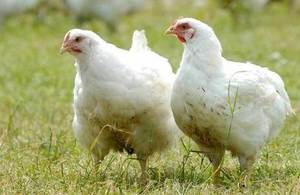
All poultry in England are to be allowed outside from Thursday 13
April 2017 following updated evidence on the risk posed by wild birds,
the UK’s Chief Veterinary Officer has announced.
The requirement to keep poultry in Higher Risk Areas of England housed or completely enclosed in netting, introduced to minimise the risk of them catching avian flu from wild birds, will be lifted. However, all keepers in England will continue to be required to comply with strict biosecurity measures. A ban on poultry gatherings also remains in force until further notice.
The decision to lift the additional requirements in the Higher Risk Areas is based on the latest scientific evidence and veterinary advice, which concludes that the level of risk to poultry in these areas has now reduced to the same level as that across the rest of England. This is because of changes in the wild bird population: the majority of over-wintering migratory birds have now left the UK, and resident wild waterfowl are at their lowest levels and entering the breeding season when they become less likely to move long distances to forage for food.
The risk of poultry becoming infected from H5N8 remains heightened and countries across Europe continue to experience outbreaks and observe cases in wild birds. Defra is stepping up surveillance of wild birds across the UK to inform our risk assessments.
All poultry keepers must continue to take steps to reduce the risk to their birds, including minimising movement in and out of bird enclosures, cleaning footwear, keeping areas where birds live clean and tidy and feeding birds indoors.
Chief Veterinary Officer Nigel Gibbens said:
H5N8 avian flu has been found in wild and farmed birds in the UK since December 2016, including chickens, turkeys, ducks and geese. Where avian flu has been confirmed, we have taken swift action to limit the spread of disease with restrictions around affected premises and full investigations to determine the source of infection.
H5N8 can be spread indirectly via the contaminated environment, for example in wild bird droppings, contaminated feed or bedding, as well as being passed from wild birds to poultry directly from bird to bird. All disease control measures continue to be kept under review depending on the latest scientific advice and disease outbreak situation.
The requirement to keep poultry in Higher Risk Areas of England housed or completely enclosed in netting, introduced to minimise the risk of them catching avian flu from wild birds, will be lifted. However, all keepers in England will continue to be required to comply with strict biosecurity measures. A ban on poultry gatherings also remains in force until further notice.
The decision to lift the additional requirements in the Higher Risk Areas is based on the latest scientific evidence and veterinary advice, which concludes that the level of risk to poultry in these areas has now reduced to the same level as that across the rest of England. This is because of changes in the wild bird population: the majority of over-wintering migratory birds have now left the UK, and resident wild waterfowl are at their lowest levels and entering the breeding season when they become less likely to move long distances to forage for food.
The risk of poultry becoming infected from H5N8 remains heightened and countries across Europe continue to experience outbreaks and observe cases in wild birds. Defra is stepping up surveillance of wild birds across the UK to inform our risk assessments.
All poultry keepers must continue to take steps to reduce the risk to their birds, including minimising movement in and out of bird enclosures, cleaning footwear, keeping areas where birds live clean and tidy and feeding birds indoors.
Chief Veterinary Officer Nigel Gibbens said:
We continually review our disease control measures in light of new scientific evidence and veterinary advice. Based on the latest evidence on reduced numbers of migratory and resident aquatic wild birds we believe that kept birds in the areas we previously designated as Higher Risk are now at the same level of risk as the rest of England and may now be let outside.Lifting the housing requirement in Higher Risk Areas means free range birds across every part of England can now be allowed outside again.
However, all keepers must still observe strict disease prevention measures to reduce the risk of contamination from the environment, where the virus can survive for several weeks in bird droppings.
This does not mean business as usual: the risk from avian flu has not gone away and a Prevention Zone remains in place, requiring keepers across England to take steps to prevent disease spreading. We continue to keep measures under review and keepers should check GOV.UK for regular updates.
H5N8 avian flu has been found in wild and farmed birds in the UK since December 2016, including chickens, turkeys, ducks and geese. Where avian flu has been confirmed, we have taken swift action to limit the spread of disease with restrictions around affected premises and full investigations to determine the source of infection.
H5N8 can be spread indirectly via the contaminated environment, for example in wild bird droppings, contaminated feed or bedding, as well as being passed from wild birds to poultry directly from bird to bird. All disease control measures continue to be kept under review depending on the latest scientific advice and disease outbreak situation.
Further information
-
Read guidance on how to continue to comply with the Prevention Zone currently in place across England.
-
Read the latest veterinary risk assessment for Avian Influenza H5N8 in the UK and Europe.
-
Read more information about the ban on gatherings, which remains in place.
www.gov.uk/government/news/updated-measures-to-protect-poultry-against-avian-flu
Subscribe to:
Comments (Atom)